- Details
-
Published: 04 January 2026
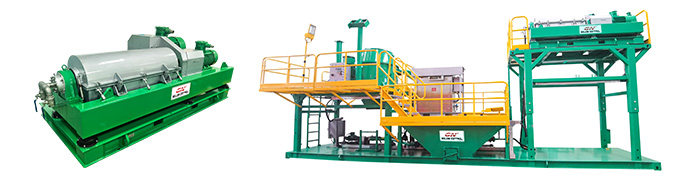
As wastewater treatment requirements continue to increase worldwide, reliable and adaptable sludge dewatering equipment has become an essential part of both municipal and industrial treatment plants. GN Separation provides the GN T Series Sewage Treatment Decanter Centrifuge, designed specifically for sludge dewatering and thickening applications under a wide range of operating conditions.


Overview of GN T Series Dewatering Decanter Centrifuge
The GN dewatering decanter centrifuge belongs to the T Series horizontal decanter centrifuge, featuring a beach angle of 8.5 degrees. This design extends the drying zone of the centrifuge, enabling improved solid-liquid separation and achieving relatively drier discharged solids.
The T Series decanter centrifuge is commonly applied for sludge dewatering and concentration, and is widely used in municipal wastewater treatment plants as well as industrial wastewater sludge treatment projects that require higher dewatering performance.
This centrifuge series is primarily designed for materials that are relatively easy to separate, such as those with:
-
Larger solid particle sizes
-
Significant density difference between solid and liquid
-
Low viscosity
-
High solid concentration
-
Large processing capacity requirements
-
Higher dryness demand rather than clarification priority
For sludge or wastewater containing fine particles, flocculants are typically added upstream to aggregate fine solids into larger flocs before entering the T Series decanter centrifuge, thereby improving dewatering efficiency.
Typical Applications and Suitable Materials
The GN T Series dewatering decanter centrifuge is suitable for a wide variety of materials, including but not limited to:
-
Municipal sewage sludge
-
Industrial wastewater and organic wastewater
-
Environmental wastewater sludge
-
Oily sludge and oil-containing wastewater
-
Drilling mud and construction slurry
-
Tunnel slurry and mining wastewater
-
Sand washing water and mineral washing water
-
Steelmaking wastewater and precision casting wastewater
-
Chemical, dyeing, and printing wastewater
-
Aquaculture wastewater
-
River sludge, lake sludge, and water plant sludge
-
Kaolin, calcium carbonate, bentonite, silica, titanium dioxide
-
Aluminum hydroxide, cryolite, silicates
-
Oil sand separation, oil sludge, coal tar
-
Inorganic fertilizer slurry
-
Traditional Chinese medicine extracts (such as yew, honeysuckle, and licorice)
-
Clarification, concentration, and dewatering of salt crystals and similar materials
Main Specifications of GN T Series Dewatering Decanter Centrifuge
The GN T Series includes multiple models to meet different capacity and site requirements, ranging from GNLW-224GT to GNLW-764GT, with bowl diameters from 220 mm to 760 mm. Maximum operating speeds reach up to 5054 rpm, with centrifugal force up to 3200 G, depending on the model.
The length-to-diameter (L/D) ratio is generally around 4.2, providing a balanced design for effective dewatering and stable operation. Main and back drive motor power configurations are available in multiple options to match different sludge characteristics and throughput requirements.
Final specifications are subject to the confirmed commercial and technical proposal. Processing capacity may vary significantly depending on actual material properties and operating conditions.
Design and Technical Features
Optimized Beach Angle and Dewatering Performance
The 8.5-degree beach angle lengthens the conical section, creating a longer drying zone. This structural design helps improve sludge dewatering performance and supports the discharge of solids with lower moisture content.
Robust Materials and Manufacturing Process
-
Bowl ends and bowl body are manufactured using centrifugal casting, made from duplex stainless steel SUS2205 or SUS2304, offering better mechanical performance compared with conventional stainless steels such as SUS304 and SUS316.
-
Key rotating components are produced through centrifugal casting and die forging, reducing risks associated with traditional welding, such as incomplete stress relief or intergranular corrosion.
Screw Conveyor Design
-
Screw blades are formed using CNC spiral blade forming equipment, providing higher conveying efficiency than traditional pulled blades.
-
Based on material characteristics, variable-pitch screw designs can be adopted to enhance conveying pressure and improve solids dryness.
-
Some models use open-type screw blades to increase handling capacity.
-
The screw is protected by replaceable wear-resistant alloy plates, allowing convenient maintenance and extended service life.
Separation Zone Optimization
The optimized slope angle and screw pitch, combined with a BD baffle, separate the settling zone from the dewatering zone. This design allows:
-
Deeper liquid pool
-
Longer dewatering zone
-
Clearer separated liquid
-
Increased processing capacity
The deeper liquid pool reduces kinetic energy loss during liquid discharge, contributing to lower energy consumption. The feed acceleration structure minimizes turbulence inside the feed zone, helping protect the screw discharge port and reduce wear.
Optional Double-Cone Design
For materials with high concentration or high viscosity, a double-cone bowl design is available. This configuration increases solids discharge resistance while improving solids dryness and liquid clarity without sacrificing throughput.
Wear Protection and Discharge Design
-
Solid discharge ports are equipped with special tungsten carbide wear sleeves, providing high wear resistance and durability.
-
Adjustable overflow weir plates allow flexible control of liquid pool depth to meet different dryness and clarity requirements.
Operation, Maintenance, and Safety
-
Small models are equipped with gas spring-assisted covers, while larger models use labor-saving cover lifting devices, allowing one-person operation and reducing maintenance effort.
-
Main bearings are designed with hydraulic dismounting structures, reducing disassembly force by approximately 90% and minimizing the risk of damage to precision components.
-
All major rotating parts undergo three-stage dynamic balancing, including medium-speed balancing, high-speed balancing at operating speed, and complete machine balancing, ensuring stable operation.
Lubrication and Bearings
-
High-quality SKF main bearings are used as standard.
-
Small models can be equipped with semi-automatic or fully automatic grease lubrication systems.
-
Large models adopt automatic oil circulation lubrication systems, providing bearing cooling and cleaning functions to extend bearing service life.
Monitoring and Control System
The GN T Series centrifuge is equipped with a comprehensive monitoring and alarm system. Key operating parameters such as:
-
Bowl speed
-
Bearing temperature
-
Machine vibration
-
Lubrication system pressure
-
Motor current and torque
are monitored in real time. Automatic protection, alarm, blockage clearing, and shutdown functions help ensure safe operation for both personnel and equipment.
The electrical control panel is typically made of stainless steel and configured with internationally recognized brands of VFDs, PLCs, and HMIs. Explosion-proof control panels certified to CNEX, ATEX, or IECEx standards are available upon request.
Turnkey Solutions Beyond the Centrifuge
In addition to supplying dewatering decanter centrifuges, GN Separation leverages its extensive portfolio of separation and conveying equipment to provide turnkey sludge dewatering solutions, including material conveying, classification, and integrated dewatering systems tailored to customer requirements.
Request More Information
For overseas customers seeking reliable sewage sludge dewatering solutions, GN Separation offers flexible configurations and technical support based on actual project conditions.
-
Request a quotation
-
Download the brochure
GN Separation looks forward to working with you.